Sustainability used to be pretty basic mostly just recycling bins and bamboo. That conversation is over. In 2026, designers are using new materials like seaweed fabric and leather made from pineapples. We are seeing furniture built to be fixed twenty years from now, not thrown away. It’s no longer about feeling guilty. It’s about getting high-quality pieces that just happen to be eco-friendly. Here are the big trends.
Health and Wellness Interiors
Sustainability is changing. According to BMA Architects, it’s now about how our homes impact our health. Clients are asking to limit Wi-Fi in bedrooms to create a better environment for sleep. They want spaces where they can truly unplug.
Todd Harmon of Aura Modern Home notes a similar trend. He says clients want more than just recyclable materials. They want “living breathability.” The demand is for furniture that actively improves indoor air quality.
Forrest Good at Studio Good Architects takes a similar approach. He focuses on maximizing daylight and cutting down on indoor pollutants. He points out that a sustainable home provides a level of quiet and thermal comfort that improves your quality of life, which matters more than just energy stats.
Invisible Smart Systems
Tech is finally getting better at hiding. Designer Lesley Myrick says her clients want smart features, but they don’t want their homes to look like a spaceship. We’re talking about great lighting and induction stoves that actually cook well. It’s not a sacrifice to go green anymore; it’s just a no-brainer.
Kasandra Rafter is seeing the same thing with rainwater. People want to collect it, but the system has to look good. It feels high-end to water your lawn with rain you saved. Then you have Harmon, who is looking at furniture that acts like a battery. Imagine a nightstand that soaks up solar power or a desk that helps warm up the room. Your furniture is starting to pull its own weight.
Repairability and Longevity
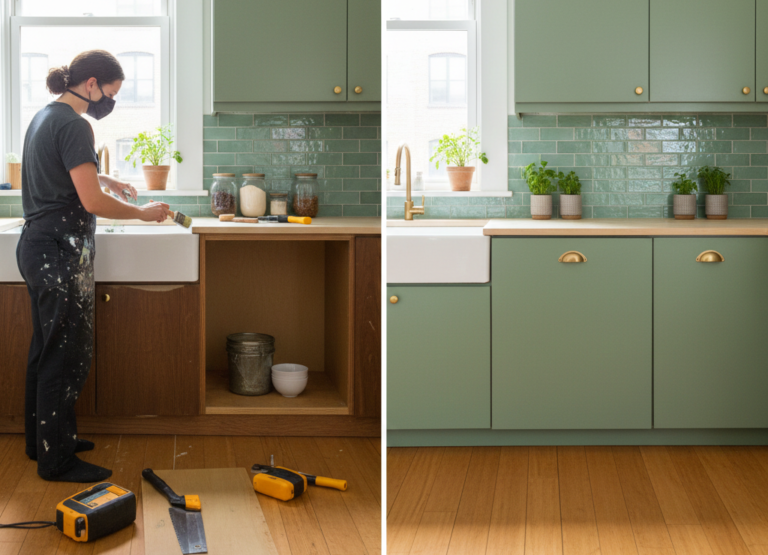
Harmon’s clients are really focusing on repairability now. He says people are exhausted by furniture that breaks the moment you move to a new place. Consumers are realizing that quality construction is way more important than convenience. They want pieces they can refinish decades later.
Good points. He says the most sustainable building is just the one that’s still standing in 100 years. That happens because people love it and take care of it. Longevity is worth way more than a certification. A building that lasts through generations uses fewer resources than a high-tech green building that falls out of style.
It’s happening at Kathy Kuo Home, too. Kathy says her clients are asking for the real deal pieces that won’t fall apart or go out of style. They want eight-way hand-tied sofas and proper artisan rugs. These are the kinds of things you keep in the family forever.
Bio-Based Materials
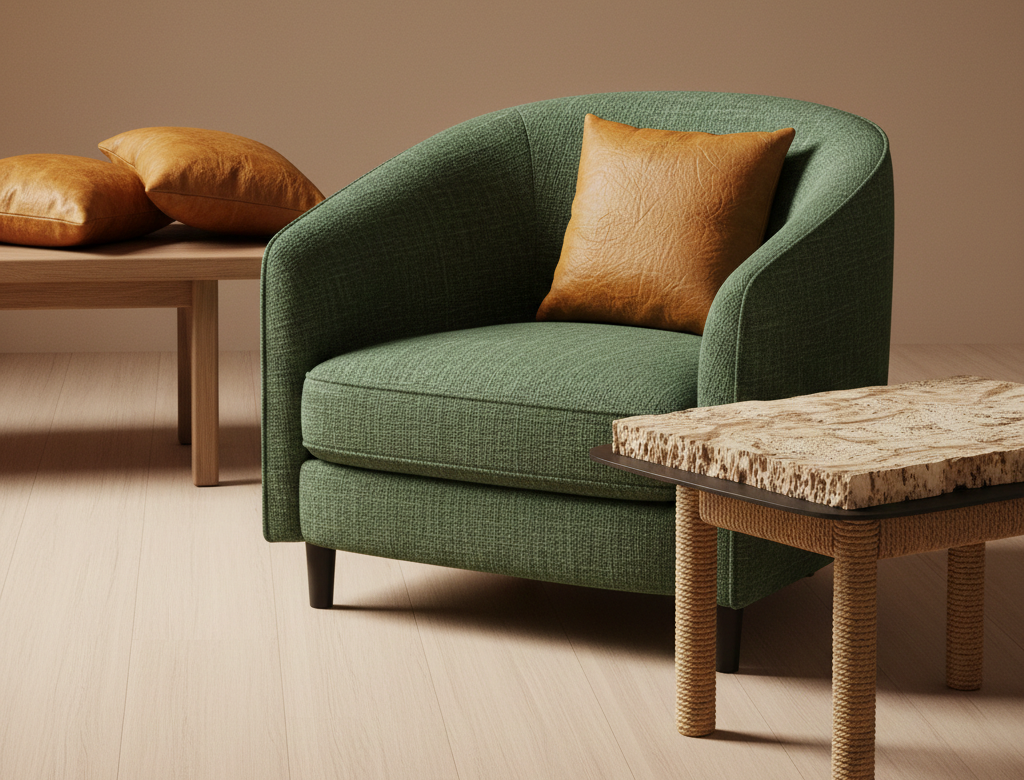
Harmon is swapping polyester for natural options like seaweed and pineapple leather. He is also using hemp and mushroom-based materials. The look is raw and textured, showing off the natural grain.
Rafter likes recycled materials, but they have to look good. She mentions lighting made from recycled parts that feels like a sculpture. The trend is moving toward handmade, local work. It just feels more human.

The trends for 2026 are all about the structure of your home. We’re talking about upgrades that save you money and keep your family healthy. If you want a house that lasts longer and costs less to run, check out these three trends.
1. The “Lungs” of the House: Energy Recovery Ventilators
New homes are built tight to keep drafts out. The downside is that stale air gets stuck inside. That is where an Energy Recovery Ventilator, or ERV, comes in. It acts like a set of lungs for your house. It pulls in fresh air and pushes out the old stuff. The best part? It keeps your heat or AC inside where it belongs. You get fresh air without raising your energy bill. It is great for allergies and keeps the house feeling good all year.
2. Geothermal Heating and Cooling
People are starting to ditch old oil and propane furnaces. The new move is geothermal. It works because the ground temperature stays the same all year, so the system uses that steady heat to keep your house comfortable. It costs a chunk of change to install, but it saves you big money on bills later on. Plus, it’s silent. You won’t have a loud A/C unit buzzing in the yard anymore.
3. Triple-Pane Windows
Living in a noisy or cold spot? Triple-pane windows are the answer. While double-pane used to be the default, the extra layer in these new windows works much better. They lock in heat and block out sound. It helps your heater take a break and makes your living space feel much quieter. It is a solid investment for comfort.
Why This Matters
This isn’t just about being green. It’s about your wallet and your comfort. A house that wastes less energy costs you less money. Plus, cleaner air and a quiet, draft-free room just make life better. You don’t need to gut your house to make a difference. Just upgrade things as they wear out. If you need a new heater or window anyway, choose the efficient option. It pays for itself over time.