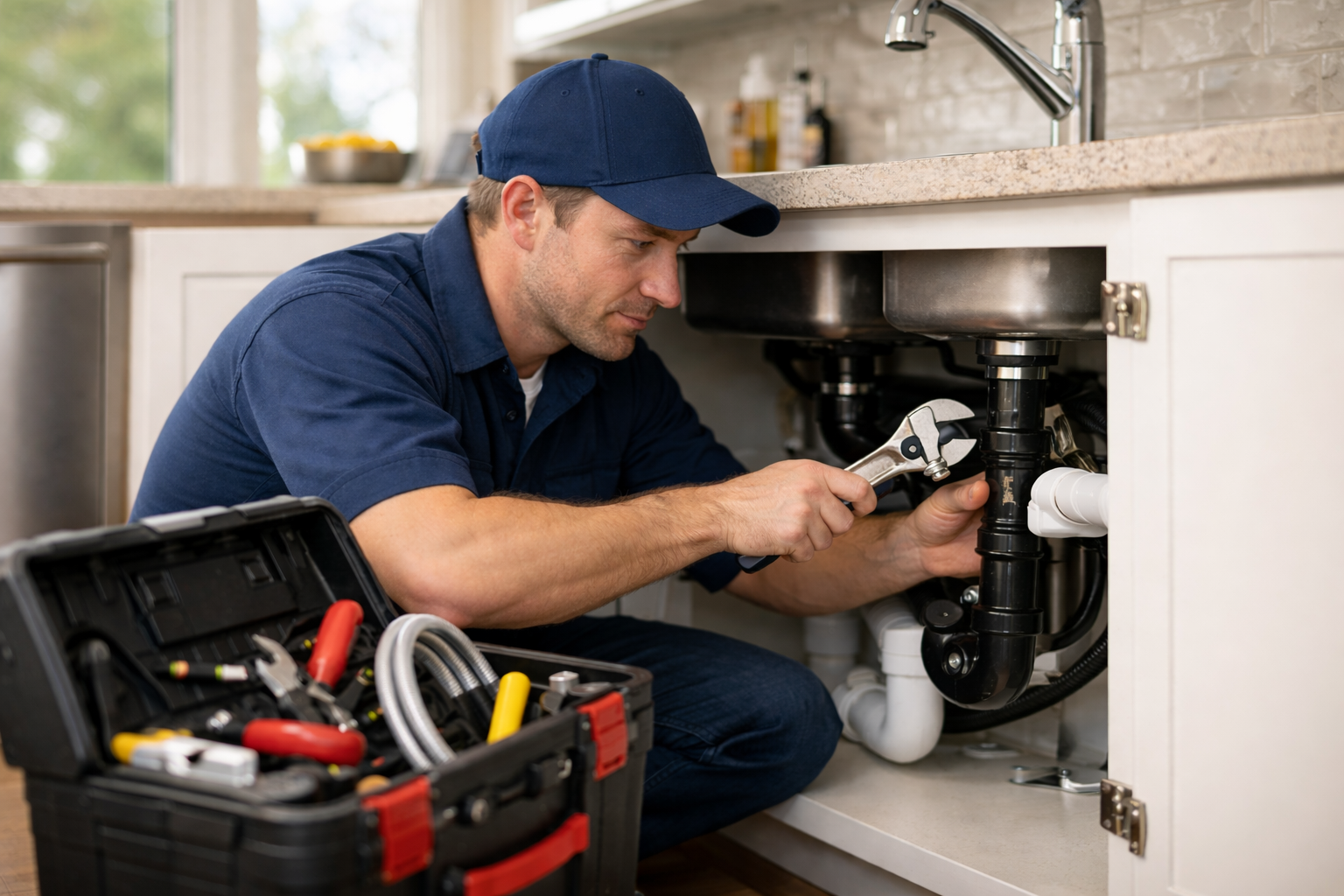
Plumbers are important workers who install, fix, and keep up systems that use water, drainage, and gas. Their job is to make sure that homes, businesses, and public places have plumbing systems that are safe and work well. Here’s a closer look at what they do:
What Is a Plumber’s Job?
Installation: Putting in pipes, fixtures, and appliances like sinks, toilets, showers, and water heaters.
Putting in systems for gas lines, water supply, and drainage.
Repairs: Fixing leaks, clogs, and broken pipes is part of repairs.
Fixing or replacing broken fixtures like water heaters or faucets.
Maintenance: Checking plumbing systems to stop problems from happening in the future is part of maintenance.
Cleaning out drains and making sure water flows correctly.
Specialized Services: We work on complicated systems like gas lines, septic tanks, and water filtration systems.
Taking care of emergencies like broken pipes or backed-up sewers.
Why Are Plumbers Important?
Health and Safety: Good plumbing keeps water from getting dirty and makes sure that clean water is always available.
Comfort: They keep the systems that give you hot water, working bathrooms, and good drainage.
Property Protection: Fixing things on time stops water damage, mold growth, and expensive structural problems.
What a plumber knows how to do and what tools they use
Skills: Being able to solve problems and fix things.
Knowing the rules and codes for building and safety.
Physical strength and dexterity with your hands.
Tools: pipe cutters, wrenches, and plungers.
Video inspection cameras and hydro-jetting equipment are examples of advanced tools.
When to Call a Plumber
Faucets that keep leaking or dripping.
Low water pressure or no water at all.
Blocked toilets or drains.
Putting in new appliances or fixtures.
Problems with the gas line or the water heater.
Plumbers are the unsung heroes of modern life because they keep our homes and businesses running smoothly. Their knowledge keeps our lives safe and comfortable, whether it’s a small leak or a big installation!
Plumbers in your area
Problems with your plumbing can do a lot of damage to your home. But how do you know if the job is too big for you? Find out when you need to call a plumber. You can find a reliable plumber in your area with the help of the BBB. Use the filter on this list to find a plumber near you who is BBB Accredited. You can also find more resources at our Plumbing HQ.
Things to remember when searching:
To get more results, change or clear your search filters.
Look at your spelling
Use search terms that are more general
We try to include as many businesses as possible in our Business Profiles, but not all of them are in our directory. You can ask us to add a business to our directory if you can’t find it there.
What to do in an emergency plumbing situation
When something goes wrong, like a running toilet or a burst pipe, how you react is important for fixing the problem. The next time you have a plumbing emergency, these are some helpful things to do:
Plan: Before something bad happens, learn about your plumbing system. Find the main water valve and all the isolation valves on each line. Buy plumber’s tape and keep it with a plunger and some wrenches.
React: Stop the water flow right away by turning off the main water valve or the isolation valve. Also, don’t forget to turn off the water heater or set it to pilot so that hot water doesn’t build up inside when you turn off the main water valve.
Call: If you can’t fix the problem yourself, call an emergency plumber.
Less mess: To keep your floors from getting too damaged, get rid of any water or trash.
If you have a plumbing emergency, look through our list above to find a BBB-accredited plumber in your area.
Why does my toilet keep running? Can I do it myself?
It can be annoying to hear a toilet running. But can you fix the problem on your own, or do you need to hire a plumber? Here are some common issues that can happen with a toilet:
Issue #1: Flushing at random times
Possible solution: Empty the tank and look at the flapper’s seal. It might need to be cleaned to make the seal better. If that doesn’t fix the problem, the flapper might be broken and need to be replaced.
Issue #2: Water that drips
Possible Solution: Take off the lid and make sure the floater isn’t stuck or broken. If that doesn’t help, look at the refill tube. It should only hang down a few centimetres from the edge of the overflow pipe.
Issue #3: Weak flush
Possible Solution: Clogged holes around the rim of the bowl are the most common cause of a weak flush. To get rid of the blockage, clean up the mess.
You might need to think about getting a new toilet or hiring a plumber if the problem doesn’t go away.
Basic Signs that you have a leak.
A leak in your plumbing system can often have bad effects. A leak can not only cost you money, but it can also damage your yard, foundation, or flooring. These are some common signs that there might be a leak:
High water bill: If your monthly bill is higher than normal and you haven’t been using more water, it could mean that water is leaking from your pipes.
Less pressure in the water: When you have a lot of appliances running at the same time, it’s normal for the water pressure to go down. There may be a leak if the water pressure is low when nothing else is running.
Weird sounds: If you hear gurgling sounds when you use an appliance or hear water running in the walls when no appliances are on, you might want to hire a plumber to check the system for a leak.
A leak can often cause bad smells, like rotten eggs or sulphur, to hang around running water. Some bacteria and natural gases can get into your water supply and make it smell. The problem may be with your water heater if the smell only happens when the water is hot. But if you smell it around both hot and cold water, your water supply system may have a bigger problem.
Floor changes: Sometimes, a leak under the floor can cause cracks in the tile, swelling, or warm spots.
If you see any of these signs, your plumbing system may have a leak. Look through our list to find a licensed emergency plumber in your area.
Most of the time, it costs between $100 and $500 to hire an emergency plumber, with an average cost of $170 per hour. You could pay as little as $60 an hour for an emergency plumber, but in very bad situations, they could charge more than $600 an hour.
The type and timing of the emergency are the two biggest things that affect how much emergency plumbers charge, but local rates can also make a difference.
Things that affect the cost of emergency plumbing
Plumbers usually charge between $40 and $200 an hour, depending on how much experience they have, where you live, and what kind of plumbing problem they are fixing. Depending on when the emergency happens and what kind of work needs to be done, emergency plumbers can cost between 1.5 and 3 times as much. The cost of emergency plumbers also depends on how much local workers charge.
When the emergency happens
The time of the emergency can affect how much emergency plumbers charge. For example, if you have an emergency on a weekday after hours, you might have to pay time and a half. If you have plumbing problems on Thanksgiving or another holiday, a plumber might charge three times their normal rate.
If you need a local plumber to come to your house right away and fix a problem, they might charge more during regular business hours because they might have to change their schedule and put other clients on hold.
So, how much more does this cost for emergency plumbing? The average cost of a plumber is between $40 and $200 an hour.
Here’s how the timing of emergencies can affect hourly costs:
| Timing of Emergency | Typical Hourly Cost Range |
| Evening | $50–$250 |
| Weekend | $70–$350 |
| Holiday | $100–$500 |
Read more about the type of emergency.
The type of plumbing emergency will also affect how much you pay for an emergency plumber. Some common plumbing problems are:
- Broken pipes
- Backups in the sewer
- Gas leaks
- No hot water
- Toilet that is overflowing
- Pipes that are frozen underground
- Sounds of water hammer coming on suddenly
The amount of work and the kinds of tools and materials needed to fix these problems can be different. Let’s see how much it might cost to fix each of these:
Cost of fixing a burst pipe: $150 to $5,000
The cost to fix a clogged main sewer line: between $1,325 and $5,000.
Fixing a gas line costs: between $120 and $1,350.
Cost to fix a water heater: $225 to $975
The cost of fixing a toilet: between $150 and $375.
You might also need to plan for extra costs, like the cost of fixing plasterboard, restoring water damage, or replacing pipes, depending on the problem.
Prices for plumbing in your area
Where you live affects how much plumbers charge on average, even for emergency work. The table below lists the estimated costs of emergency plumbers in some of the biggest cities in the U.S. Keep in mind that rural areas with fewer plumbers may be even more expensive because you have fewer choices for quick repairs.
| City | Estimated Emergency Plumbing Costs |
| Austin, Texas | $250–$1,200 |
| Boston, Massachusetts | $250–$1,500 |
| Chicago, Illinois | $300–$1,1400 |
| Cincinnati, Ohio | $250–$1,200 |
| Denver, Colorado | $300–$1,500 |
| Los Angeles, California | $200–$1,600 |
| Las Vegas, Nevada | $250–$1,300 |
| Minneapolis, Minnesota | $200–$1,400 |
| New Orleans, Louisiana | $250–$1,200 |
| New York, New York | $250–$1,500 |
| Orlando, Florida | $200–$1,100 |
| San Francisco, California | $300–$1,700 |
| Seattle, Washington | $400–$2,000 |
| Washington, D.C. | $200–$1,500 |
| Indianapolis, Indiana | $200–$1,2000 |
| Phoenix, Arizona | $200–$1,300 |
| St. Louis, Missouri | $200–$1,200 |
Why You Should Get an Emergency Plumber
Plumbing problems can be very dangerous and cause a lot of damage in a short amount of time. If you hire a local emergency plumber, they will fix your problem quickly and correctly, which will protect your home from more damage or health risks.
Here are some reasons why hiring an emergency plumber is the best choice.
It can be very important to get emergency plumbing repairs done right away to keep your home from getting expensive damage. Here’s why it’s best to hire a pro:
- A skilled plumber can quickly figure out what’s wrong and start fixing it right away.
- Plumbing needs special tools and equipment. A pro will have the tools and knowledge to deal with any plumbing emergency.
- There may be reasons for plumbing problems that a homeowner doesn’t know to look for.
- If you don’t do the job right, fixing your own plumbing can cause a lot of damage.
- A professional plumber will make sure that all repairs are done correctly.
- If you wait until regular business hours to fix a plumbing problem, it could get worse.
- A plumber will take steps to lower any safety risks to your home and family.
If you want to fix plumbing problems yourself in an emergency
It’s best to let the professionals fix emergency plumbing problems, but if you want to help, here are some things you can do while you wait for the plumber:
- Shut off the water supply to your home at the main shutoff valve or the supply to a broken fixture. Don’t try to turn off your gas supply; let the experts do that job, which could be dangerous.
- Clean up any water that has spilt in your home.
- Make sure there is enough light and clean up the area around any fixtures or appliances that the plumber will need to get to.
Things to Ask an Emergency Plumber
It’s a good idea to talk to several plumbers and get several quotes before hiring one. If there is an emergency, you might not have as much time to do your research and ask your plumber all of your questions, especially if there is flooding or a gas leak.
But you should still ask the emergency plumber a few questions before they start working, like:
Do plumbers need to be licensed or certified?
Yes, most states require plumbers to have a licence, and that’s for a good reason. If you hire a plumber who isn’t licensed, the work might not be done well, it could cost you more money in the future, and it could break the law.
Take a look at the “Angi Approved” badge while you look through our pro listings. Businesses that are Angi Approved meet our certification standards, which include:
- The owner, principal, or relevant manager passed a background check for crimes.
- Must have the right state and local licenses
- If they have at least one review, they must keep an average star rating of 3.0 or higher on our network.
- Paying to promote their services
- Meeting any other requirements that Angi has for eligibility
Remember that licenses and certifications are not the same thing. A business licence is required by law, but certifications are not.
What should I ask a plumber before hiring them?
There are a few questions you should ask before you hire the right plumber for the job. These include:
- Do you have a licence and insurance?
- Do you charge for estimates?
- Is your fee a set amount or is it based on how many hours you work?
- Who will do the job? Are they all plumbers who have licenses and training?
- What will happen if something breaks or gets damaged?
- How quickly do you respond in an emergency?
- Does the quote include cleanup?
- Do you offer a guarantee on your services?
Talking about these things with your plumbing contractor will help clear things up and avoid problems in the future.
What do plumbing repairs usually cost?
Most of the time, plumbing repairs cost about $325 each, but they can cost anywhere from $175 to $4,000 or more. Fixing something simple, like a toilet, will cost less, between $150 and $400. But if a pipe breaks, you can expect to pay between $1,000 and $4,000 or more.
The cost will depend on the size of your home, the type of plumbing pipes you have, and the project that needs to be done. Things outside of your control, like problems with the supply chain and a lack of materials, can all affect how much this repair will cost.
What is the usual price for a plumber?
The cost of hiring a plumber is usually around $100 an hour, but it can range from $45 to $200 an hour depending on how experienced the plumber is and what needs to be fixed. Also, keep in mind that these prices can go up on holidays. The average cost of an emergency plumber is $150 per hour, plus a flat-rate trip fee of $100 to $350.
Questions about plumbing services in general
What kinds of plumbing work do you do?
Most plumbers in the US do work on homes, businesses, and emergencies. These include fixing, installing, maintaining, and checking water, drainage, and gas systems.
Are you an expert in any one area?
Plumbers often focus on certain areas, such as installing water heaters, cleaning drains, fixing gas lines, or finding environmentally friendly plumbing solutions. Different companies have different areas of expertise.
Do you have a license and insurance to work in my state?
Plumbers who are honest are licensed and have insurance. Different states have different rules about getting a license, but most require passing a test and doing an apprenticeship.
How long have you worked in plumbing?
Experience can vary, but many established companies point to their years in business as a sign that they can be trusted.
Do you give free estimates or consultations?
A lot of plumbers will give you a free estimate, but some may charge a small fee for consultations, especially for big jobs.
Prices and Costs
How do you set your prices?
Plumbers may charge a flat rate for certain jobs or an hourly rate (for example, $50 to $150 per hour). Rates vary based on where you are and how hard the job is.
Do you charge extra for emergency or after-hours services?
Yes, emergency services usually cost more, anywhere from $100 to $300 more, depending on the time and how urgent it is.
Before you start a job, do you give a full breakdown of the costs?
A good plumber will give you a written estimate that breaks down the cost of labor, materials, and any other fees.
Do you offer any guarantees or warranties on your work?
Most plumbers will give you a warranty on both the parts and the work they do. This warranty usually lasts between 30 days and a year.
Do you have ways to pay for bigger projects over time?
Some businesses work with lenders to offer payment plans for costly projects like installing a new water heater or repiping.
Services for Emergencies
Do you offer plumbing services for emergencies 24 hours a day, seven days a week?
Many plumbing companies, especially in cities, offer emergency services around the clock.
How fast can you answer an emergency call?
The time it takes to respond varies, but for emergencies, it’s usually between 1 and 2 hours.
What are the most common plumbing problems you deal with?
Common emergencies include burst pipes, sewer backups, broken water heaters, and big leaks.
Do you charge more for emergency services?
Yes, emergency services usually cost extra, and they tend to cost more on holidays or late at night.
Repairs and Maintenance
What kinds of plumbing repairs do you do the most?
The most common repairs are fixing broken pipes, clogged drains, running toilets, and leaky faucets.
Do you have plans for regular maintenance?
A lot of plumbers offer maintenance plans that include yearly inspections, cleaning the drains, and fixing the water heater.
How do you deal with problems that keep coming back, like clogged drains?
Plumbers might use high-tech tools like hydro-jetting or suggest ways to stop problems from happening, like installing drain screens.
Can you fix or replace old plumbing in homes that are older?
Yes, experienced plumbers can work on older systems. For example, they can replace galvanized pipes with newer materials like PEX or copper.
Services for installation
Do you put in water heaters, even ones that don’t have tanks?
Yes, most plumbers can install both tankless and traditional water heaters.
Can you put in or change out kitchen and bathroom fixtures?
Yes, plumbers work on sinks, faucets, toilets, showers, and bathtubs.
Do you fix or install gas lines?
Plumbers who are licensed and trained to work with gas can install and fix gas lines.
Are you able to put in systems for filtering or softening water?
Yes, a lot of plumbers offer these services to make the water better.
Services for Drains and Sewers
Do you clean drains for a living?
Yes, they use methods like snaking or hydro-jetting to get rid of blockages.
Can you check and fix sewer lines?
Yes, plumbers use video inspections to find problems and fix or replace broken lines.
Do you use video cameras to check pipes and drains?
Yes, this is a common service for finding damage or blockages.
What do you do when tree roots get into sewer lines?
When roots get into pipes, plumbers use hydro-jetting, root-cutting tools, or pipe relining to fix the problem.
Services for Water Heaters
Do you fix or replace tankless and regular water heaters?
Yes, plumbers can fix both kinds of problems, like leaks or heating issues.
Can you help me take care of my water heater?
Yes, the services include checking for leaks, flushing the tank, and checking the anode rod.
How can you tell if your water heater needs to be fixed or replaced?
Some signs are water temperature that changes, leaks, strange noises, or age (10 years or more).
Do you put in water heaters that save energy or are good for the environment?
Yes, a lot of plumbers put in solar water heaters or ENERGY STAR-rated ones.
Services for Gas Lines
Do you have the right training to work on gas lines?
Yes, plumbers need special certifications to work safely with gas lines.
Can you find and fix gas leaks?
Yes, they use special tools to find and fix leaks.
Do you put in gas lines for appliances?
Yes, for outdoor grills, stoves, dryers, and fireplaces.
Modern and Eco-Friendly Solutions
Do you have plumbing solutions that are good for the environment?
Yes, like tankless water heaters, low-flow fixtures, and systems that save water.
Can you put in smart plumbing systems?
Yes, like smart water heaters and devices that can find leaks.
Do you give tips on how to use less water?
Yes, plumbers can suggest ways to save water by using less water and installing better fixtures.
Rules and Permits
Do you take care of permits and inspections for big plumbing jobs?
Yes, good plumbers take care of permits and set up inspections.
Do you know the rules for building in your area?
Yes, licensed plumbers must follow the rules set by the state and the city.
How do you make sure that you follow safety rules?
By following the best practices in the industry, using certified materials, and getting the right permits.
Help with customers and follow-up
Do you guarantee that your customers will be happy?
A lot of plumbers give guarantees that the job will be done right or they will fix it for free.
What do you do when customers complain?
Good businesses have clear rules for how to handle complaints and fix problems.
Do you offer follow-up help?
Yes, some plumbers do follow-ups, especially for big jobs or problems that keep coming up.
Picking the Right Plumber
What do I need to know when hiring a plumber?
Check for insurance, licensing, experience, reviews, and clear pricing.
How do I check a plumber’s license?
You can check with your state’s licensing board or online databases.
Are there certifications that show someone is an expert?
Yes, certifications from groups like the Plumbing-Heating-Cooling Contractors Association (PHCC) or Green Plumbers USA show that someone has had extra training.